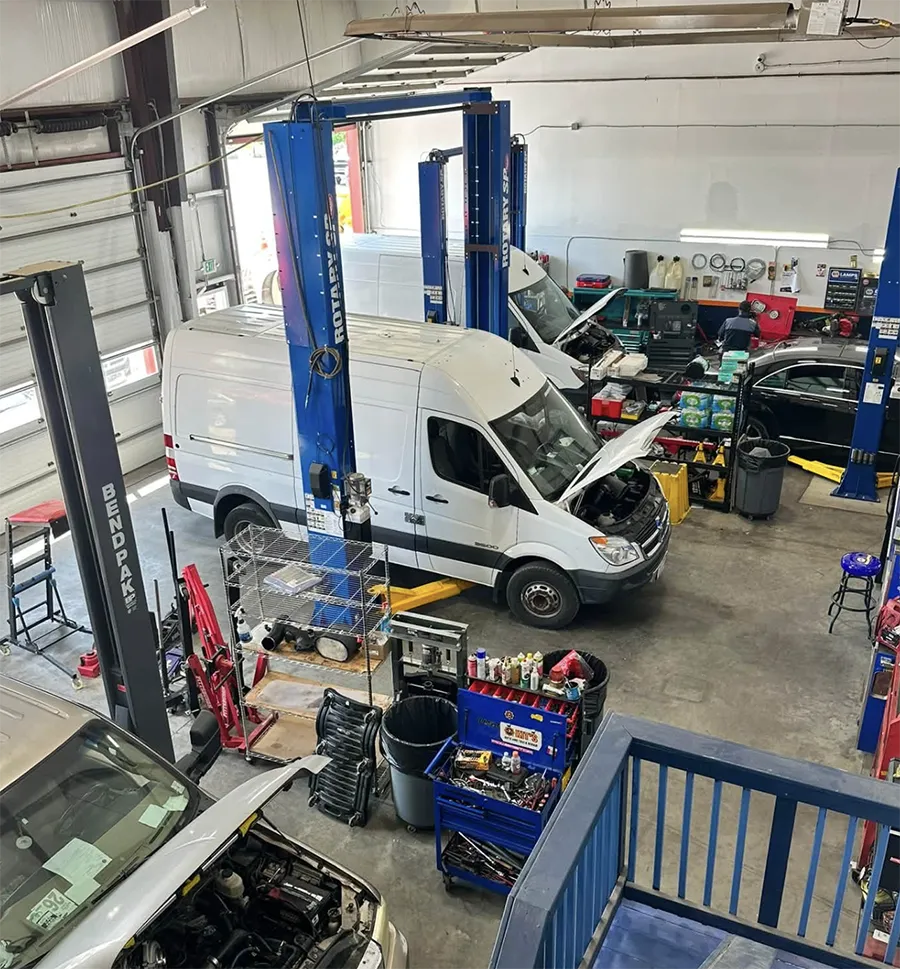
A fleet vehicle sitting in a bay is a fleet vehicle not making it to a job site, which changes what maintenance and repair actually need to accomplish. KIT’S Auto and Truck Repair works with contractors and fleet operators across Carroll County, from sprinter vans running routes through Sykesville to work trucks logging miles out toward Olney, to keep vehicles dependable without pulling a driver or crew member off schedule to babysit a repair. Key drop-off, scheduled maintenance, and priority turnaround are built around one goal: closing the gap between a vehicle needing attention and getting back to work near Woodbine.
A single car owner can usually absorb a day without their vehicle. A contractor missing a truck for a day out near Mount Airy or Westminster is missing a crew member, a route, or a piece of equipment that a job depends on. That difference is why fleet maintenance can’t just be personal auto repair scaled up, it needs scheduling, recordkeeping, and turnaround built around what a business actually needs to keep running, not just what’s convenient for a single vehicle at a time.
Unplanned breakdowns during routes or job sites usually mean maintenance is happening too late.
Missed or inconsistent service intervals across a fleet make small issues harder to catch early.
No centralized service history for multiple vehicles makes tracking recurring problems difficult over time.
Repeated visits for the same issue often point to a repair that wasn't fully addressed.
Downtime that regularly disrupts job schedules usually signals a maintenance program that needs adjusting.
Key drop-off lets a driver or crew leave a vehicle without waiting around, keeping a job site fully staffed while the vehicle gets serviced on its own timeline.
Scheduled fleet maintenance keeps multiple vehicles on a consistent service interval, catching wear across an entire fleet before it turns into unplanned downtime for any one truck.
Priority scheduling accounts for the reality that a fleet vehicle sitting idle costs more than a personal car does, moving urgent repairs ahead when a truck needs to get back on the road.
Sprinter van and work truck expertise means the team servicing a fleet already knows these vehicles well, rather than treating them as an unfamiliar exception to everyday car repair.
Vehicles in a fleet typically get their own photo and video inspection through Tekmetric, so a fleet manager sees exactly what was found on a given truck, not just a verbal summary. That record makes it easier to track a vehicle’s history over time instead of relying on memory across multiple trucks and drivers.
Fleet repairs that qualify carry a NAPA warranty covering 2 years or 15,000 miles, across every vehicle in the fleet.
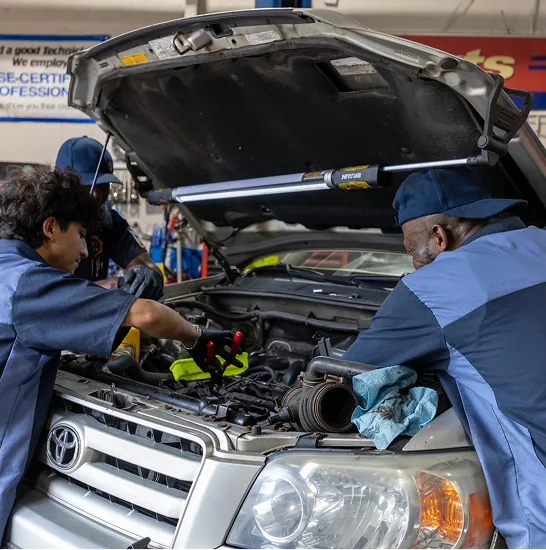
Fleet vehicles are serviced by an ASE certified shop with an owner who's a VW Master Technician.
Our shop is equipped to handle a mix of vehicle types within a single fleet.
Key drop-off and flexible scheduling built around a job site, not a waiting room.
Synchrony financing through NAPA AutoCare for larger fleet repairs.
Yes. Vehicles with different mileage, use, or condition don’t have to follow the same service schedule just because they belong to the same fleet, since treating every truck identically often means servicing some too early and others too late.
Yes. Fleet services cover scheduled maintenance alongside diagnostics, engine and transmission work, brakes, and the other repairs a work truck or sprinter van might need over its working life.